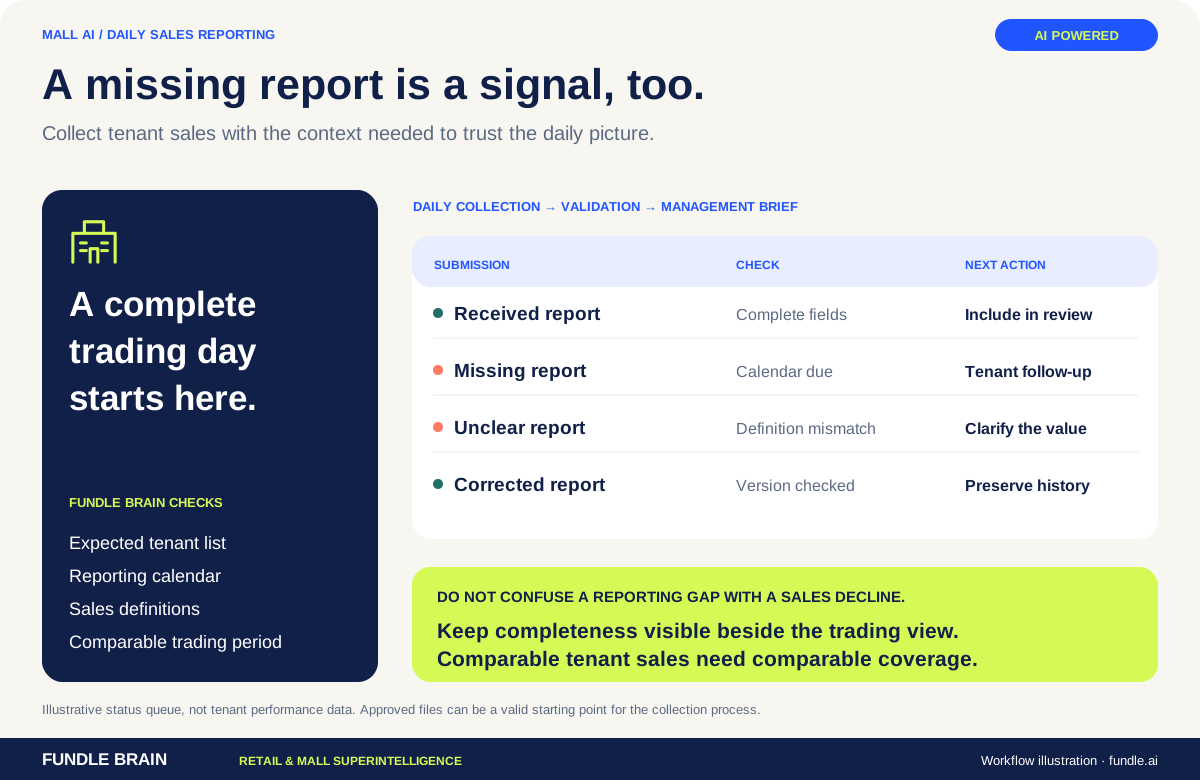
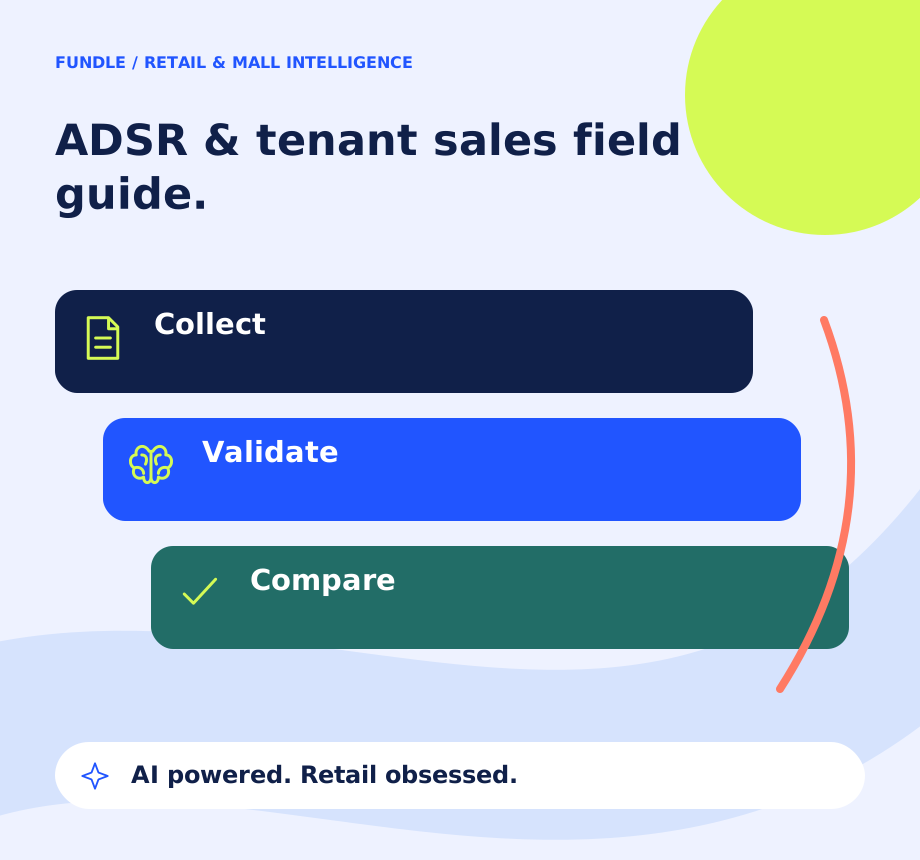
ADSR stands for Automated Daily Sales Reporting. Its first job is to establish a trustworthy picture of what tenants reported before the mall team interprets performance.
Separate zero from missing
A tenant with zero sales is different from a tenant that has not submitted. Record reporting status independently so missing data does not look like a trading decline.
Agree the sales definition
Define gross or net sales, tax, returns and adjustments. Preserve the source and period for every submission and make correction history visible.
Use like-for-like comparisons
Compare a consistent set of tenants and comparable trading periods. Explain openings, closures, reporting gaps and calendar effects before interpreting growth.
Define trading density clearly
Trading density is sales divided by the agreed area over a stated period. Use consistent units and area definitions; do not call it the definition of ADSR.
Turn exceptions into actions
Give tenant relations the missing-submission list, finance the validation exceptions and leadership a concise trading brief. Each output needs an owner and next step.
Separate the three kinds of absence
No file, a rejected file and a confirmed zero-sales day are different states. The morning view should make that distinction visible. Otherwise a reporting problem can be misread as a trading decline and sent to the wrong owner.
Create a controlled tenant master
Keep the tenant identifier, trading name, category, unit, active dates and area definition together. Record relocations, temporary closures and changes in reporting responsibility. Comparable-sales analysis must be explicit about which tenants remain in the comparison.
Keep corrections traceable
Preserve the original submission and a record of the corrected version, reason and reviewer. A later correction should update downstream reporting without erasing the explanation. The commercial team needs to know whether a change reflects trading or reporting.
A useful daily meeting agenda
Start with completeness and material exceptions. Then review comparable sales, category movement and the tenants that need follow-up. End with an owner and next step for each question. The purpose of the brief is to coordinate a decision, not merely circulate a spreadsheet.
Put the guide to work.
Map the principle to your own data and operating process.
Explore the related workflowFundle editorial · Updated 12 October 2026 · Practical guidance; examples are illustrative.