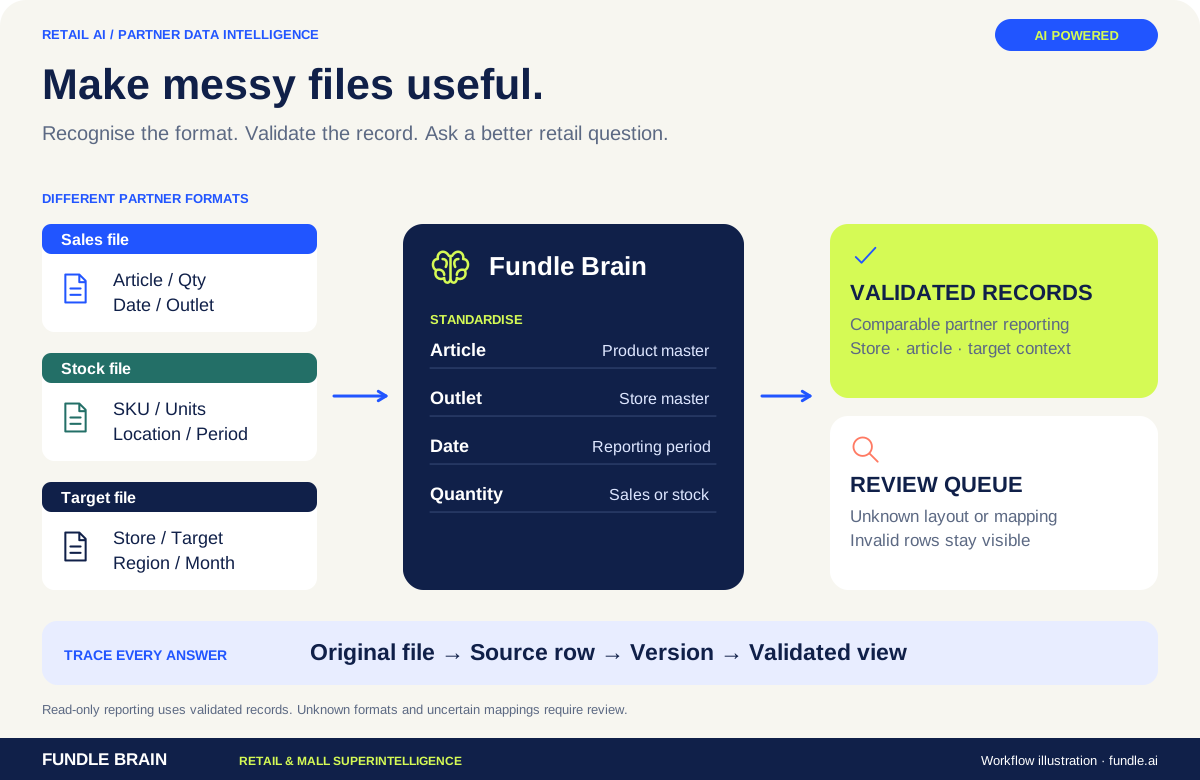
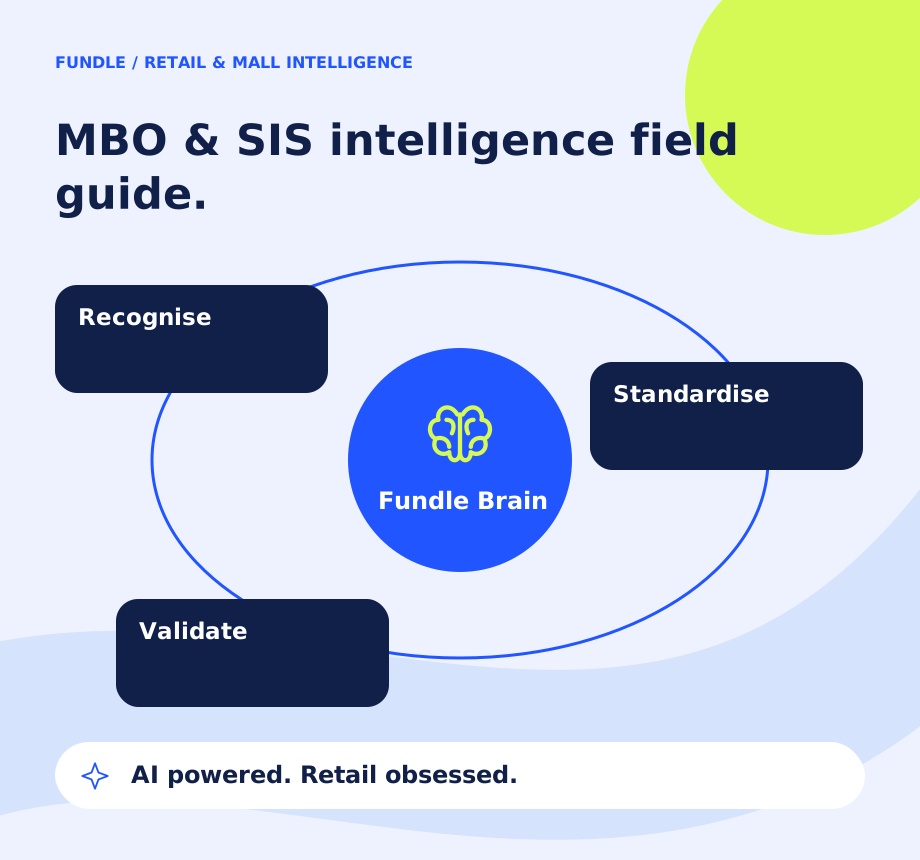
Multi-brand outlets and shop-in-shop partners send sales in different formats. Reliable intelligence begins with data standardisation and explicit exception handling.
Define common masters
Align partner, store, article, category and reporting period. Preserve partner-specific identifiers so a standardised record can still be reconciled to its source.
Validate before analysing
Check required columns, dates, duplicate rows, numeric values and unknown mappings. Put uncertain records into a review queue rather than guessing.
Keep a correction history
Version imported files and retain source-row traceability. Financial corrections should have an authorised owner and a recorded reason.
Use fair comparisons
Align reporting periods and comparable stores before calculating growth. Separate sales, returns and stock movements so the question matches the dataset.
Connect analysis to retail work
Translate stock-cover concerns, target gaps and scheme exceptions into a focused discussion with the responsible partner or store team.
Build a source contract for each partner
Record the partner’s file format, date convention, unit of measure, tax treatment and article identifiers. Set out how revised files are recognised. A reliable process can accept varied formats while still producing a consistent reporting model.
Use a mapping review queue
Recognise known headers and values, then route uncertain matches for review. Retain source-row references so a number can be traced back to the file. Do not silently guess financial values or overwrite an article mapping without a recorded decision.
Agree the reporting hierarchy
Partner, region, outlet, category and article definitions should be stable enough for comparison. Keep primary dispatches, secondary sales and stock snapshots distinct. State the reporting period and freshness of each partner’s data.
Turn the view into a trading review
Start with completeness and validation. Then examine comparable outlets, target movement, stock cover and article performance. A useful brief identifies the business question and its supporting records, with a clear owner for the next investigation.
Put the guide to work.
Map the principle to your own data and operating process.
Explore the related workflowFundle editorial · Updated 12 October 2026 · Practical guidance; examples are illustrative.