
Establish what is due
Use the tenant master, trading calendar and reporting rules to define the day’s expected records. Record known closures and exceptions.
Follow a practical business question through the evidence, decision, handover and learning. This story explains a workflow; it does not claim a customer result.
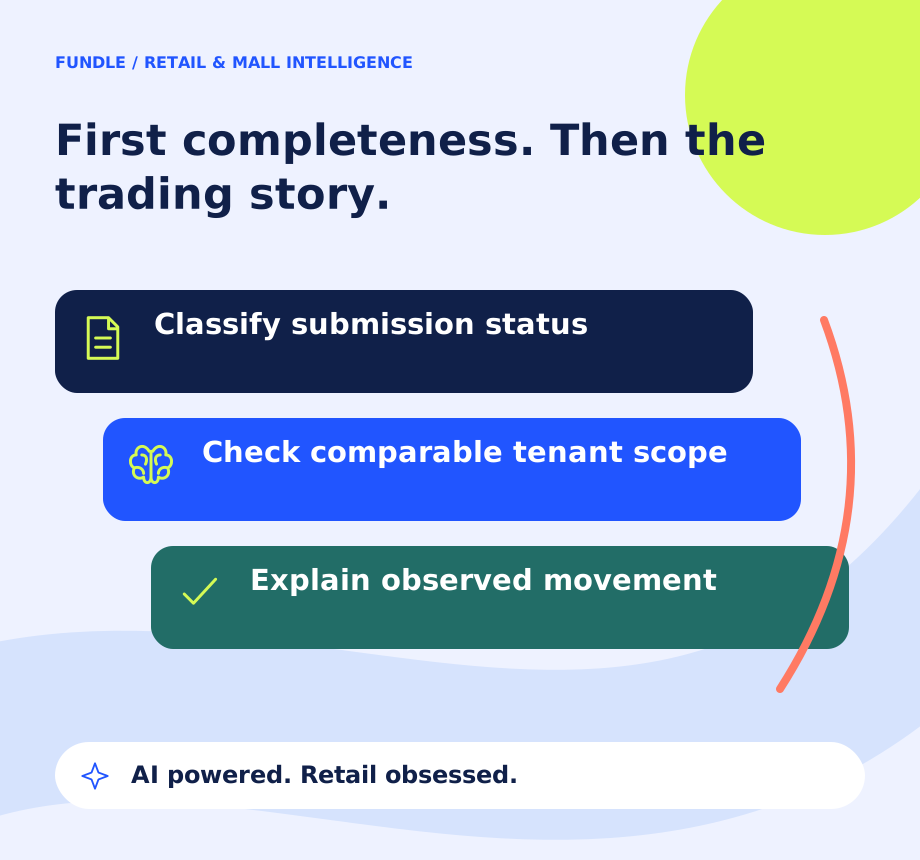
24 seconds · Silent film with on-screen captions · Workflow illustration.
Which tenants have not reported—and which need attention?
Collect → Validate → Compare → Brief. Daily submissions + POS files + tenant hierarchy
A complete trading picture starts with every tenant. Explore the infographic below the film for the full workflow.
Prepare follow-ups and a management brief. Reporting completion · like-for-like sales · trading density
A mall morning brief separates absent reports, rejected submissions and confirmed zero-sales days from comparable commercial movement.
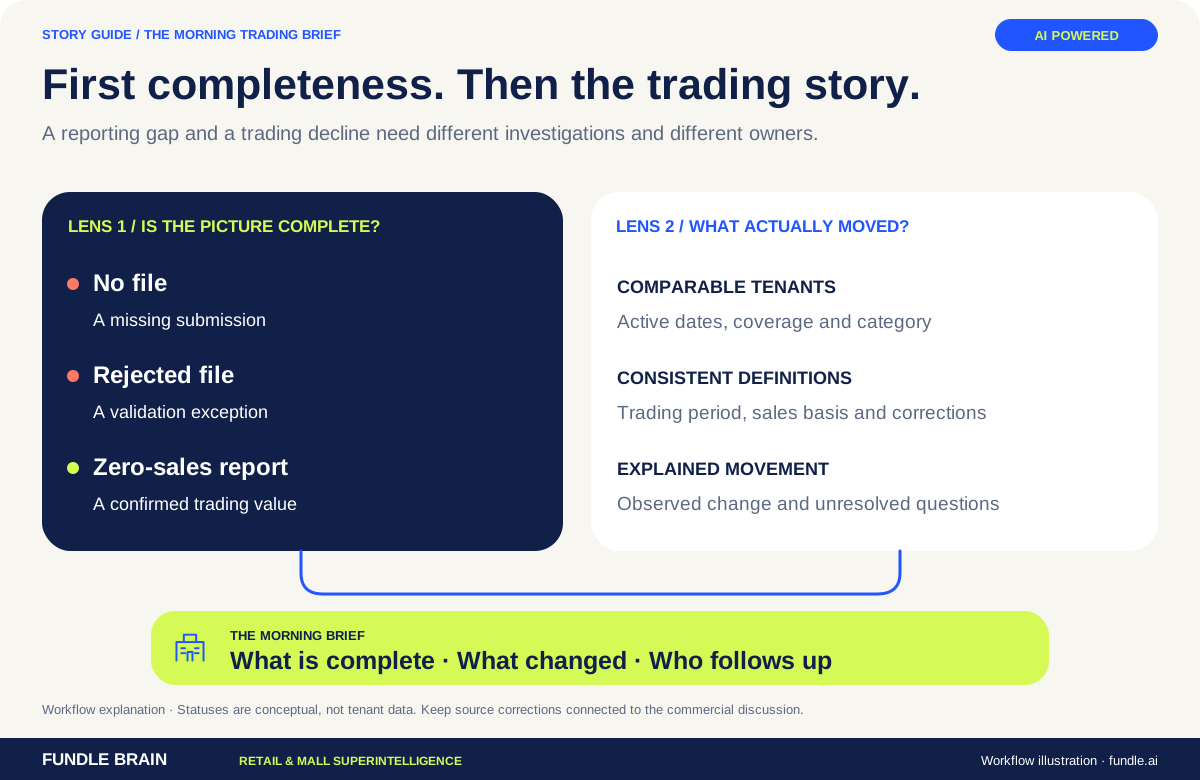
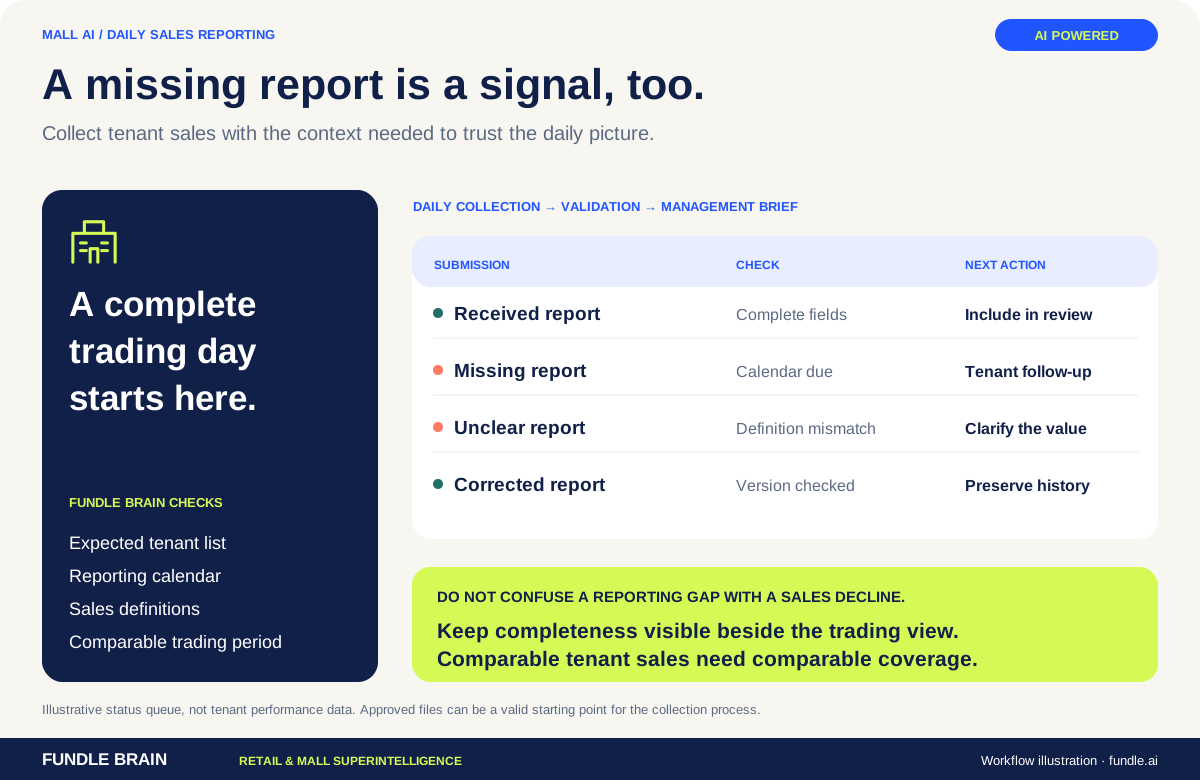
The team needs a trading view before every tenant has completed reporting. Identify the missing, rejected and validated submissions before describing performance.
Select a comparable tenant set and consistent sales definition. Examine category movement and distinguish a genuine trading change from a reporting correction.
Give the mall team a concise brief: what is complete, what changed, what needs explanation and who owns each follow-up.
Close reporting gaps and track corrections. Keep the resulting brief connected to the commercial discussion so the next morning starts with better context.
Tenant master, daily sales, reporting calendar, area definitions and approved POS or file connections.
Completion status, exception queues, tenant comparisons and daily management briefs.
Explore the full platform ↗Which tenants have not reported—and which need attention?
Bring a business question. Let’s connect the people, the data and the workflow.
Abhinav · Fundle.ai
Loyalty & ADSR Expert · Online