
Bring in matching periods
Collect sales, cancellations, returns, settlement files and the applicable fee schedules. Preserve each file’s date range and original identifiers.
Follow a practical business question through the evidence, decision, handover and learning. This story explains a workflow; it does not claim a customer result.

24 seconds · Silent film with on-screen captions · Workflow illustration.
Show me marketplace deductions that need review.
Order → Return / fee → Settlement → Investigate. Orders + returns + settlements + fee rules
Follow the sale all the way to settlement. Explore the infographic below the film for the full workflow.
Build an exception queue with source-row evidence. Unexplained deductions · resolution time · recovered value
Order, return, fee and payout records form an exception packet that a finance owner can reproduce and review.
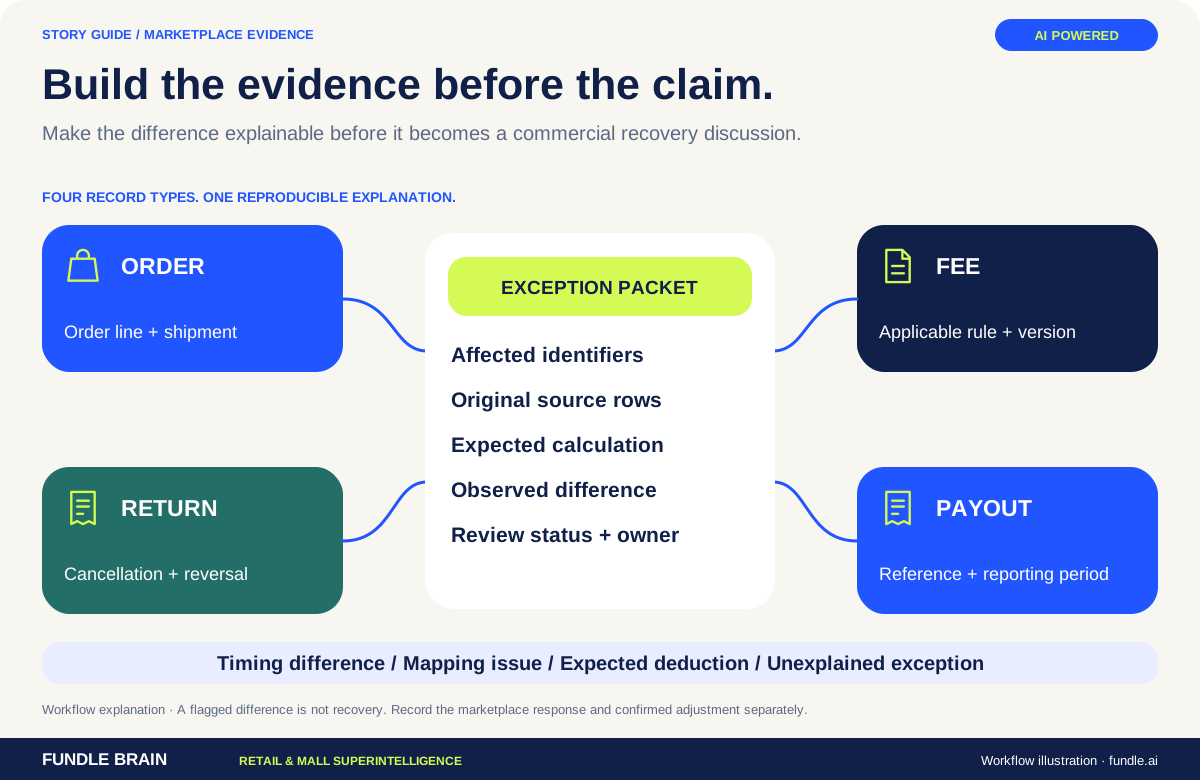
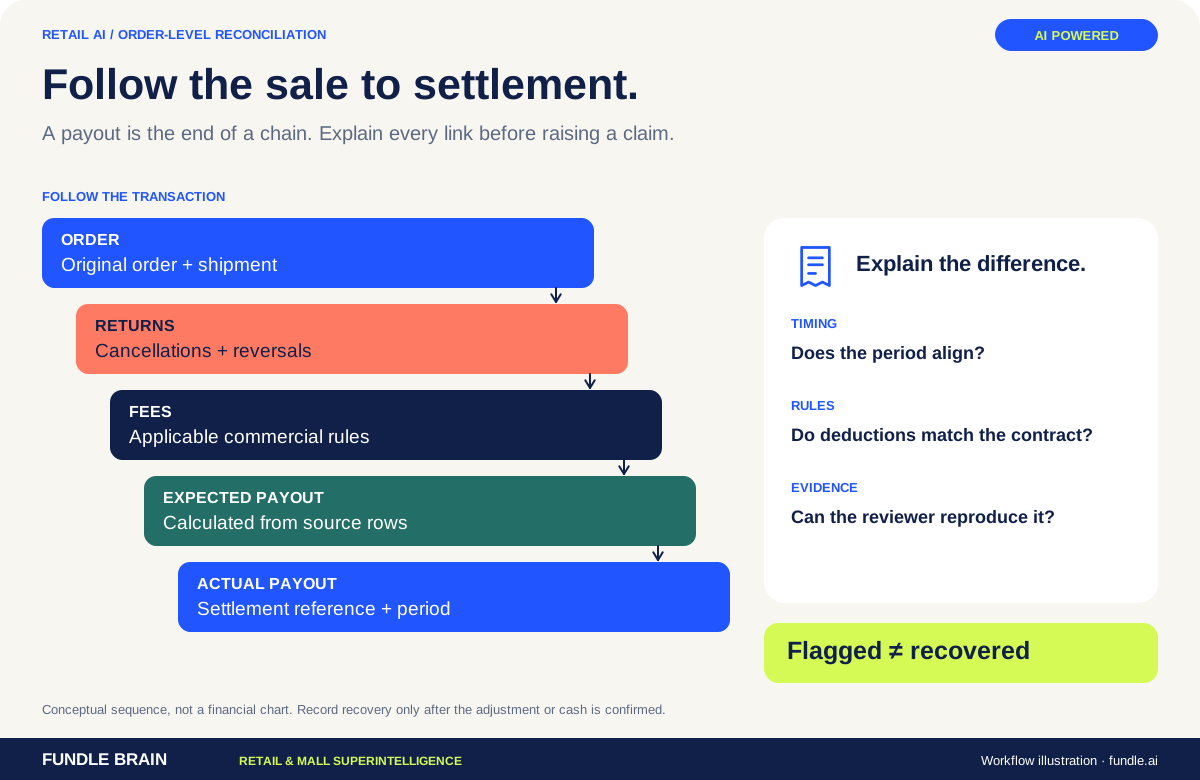
A settlement does not match the expected commercial calculation. First check the payout period, returns, fees and source completeness.
Classify the difference as timing, mapping, expected deduction or unexplained exception. Keep the rule version and source statement with the analysis.
Prepare the order identifiers, calculation, supporting documents and review status for the finance owner. A potential discrepancy remains a review item until it is confirmed.
Track the outcome through marketplace response and confirmed adjustment. Use recurring exceptions to improve the next data mapping or fee-rule review.
Order and settlement files, returns, channel identifiers, fee schedules and contract-specific rules.
Reconciliation results, unmapped records, deduction explanations and review-ready exceptions.
Explore the full platform ↗Show me marketplace deductions that need review.
Bring a business question. Let’s connect the people, the data and the workflow.
Hi 👋 I'm Abhinav
Got a loyalty or ADSR question?